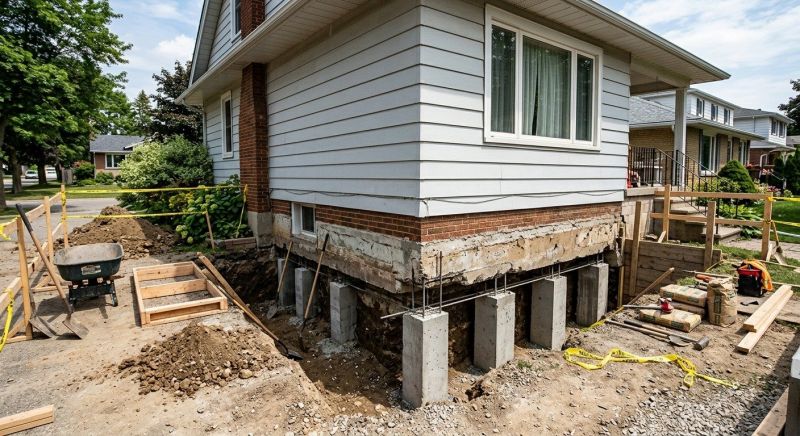
Foundation Underpinning in Greenville, SC
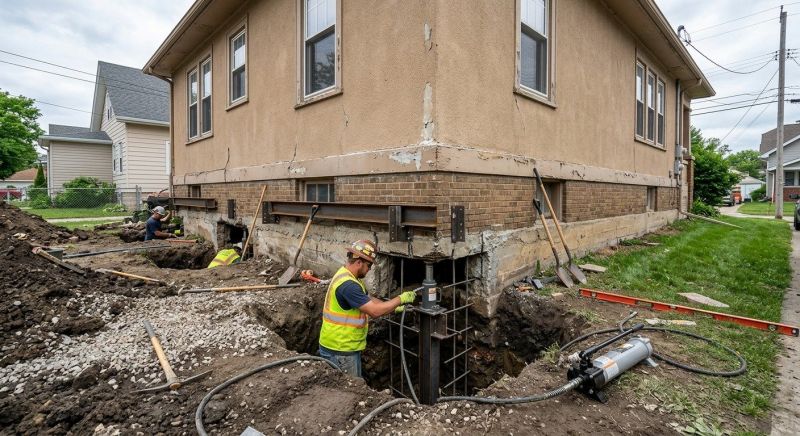
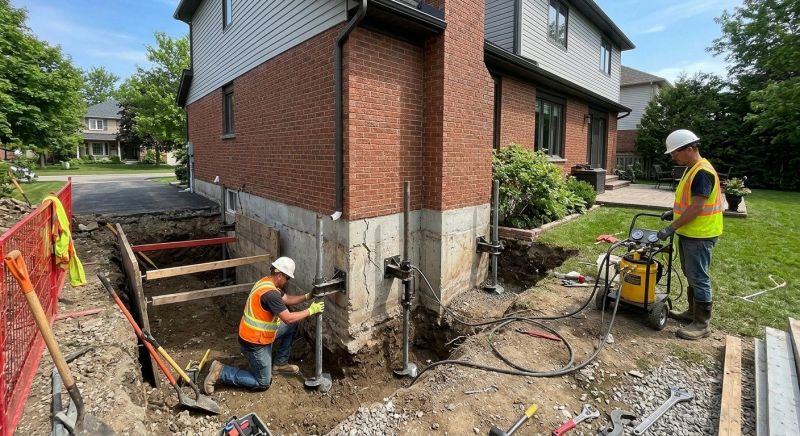
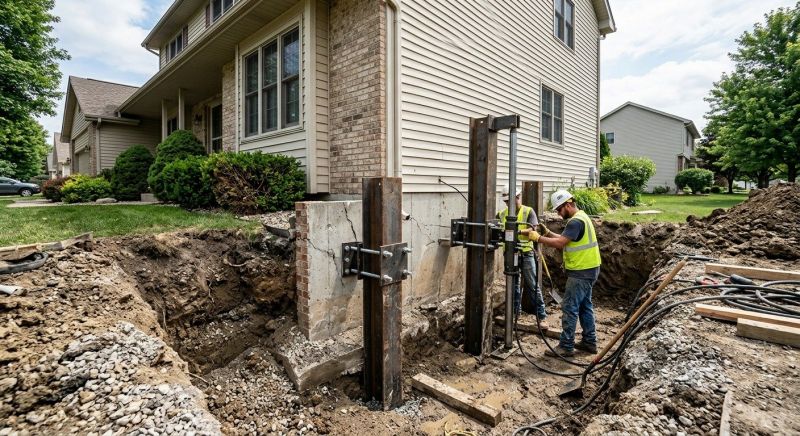
Foundation underpinning services involve strengthening and stabilizing the existing foundation of a property to address issues such as settling, shifting, or cracking. This process is often used in projects where the foundation has become compromised due to soil movement, moisture changes, or aging. Property owners typically request underpinning when they notice signs of foundation movement, including uneven floors, cracked walls, or doors and windows that no longer close properly. These services can be applied to both residential and commercial structures, ensuring the stability and safety of the building’s base.
Before requesting underpinning services, property owners usually want to understand the scope of work involved, the types of underpinning methods suitable for their property, and the potential impact on daily living during the project. It is also common to seek clarity on the causes of foundation issues and the long-term benefits of stabilization. Proper assessment and planning are essential to determine the most effective approach for improving foundation integrity and preventing future problems.
Many property owners in Greenville, SC look into Foundation Underpinning for repairs, replacements, upgrades, and appearance-related improvements.
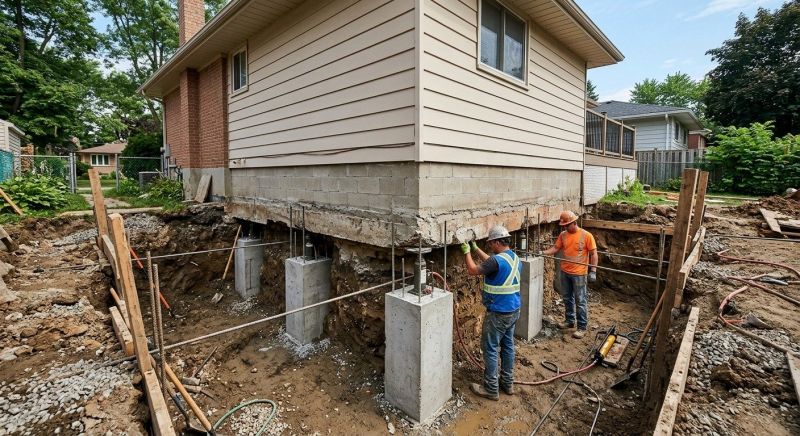
Foundation Stabilization Solutions
Underpinning can help restore stability to homes experiencing settling or shifting in greenville and nearby areas.
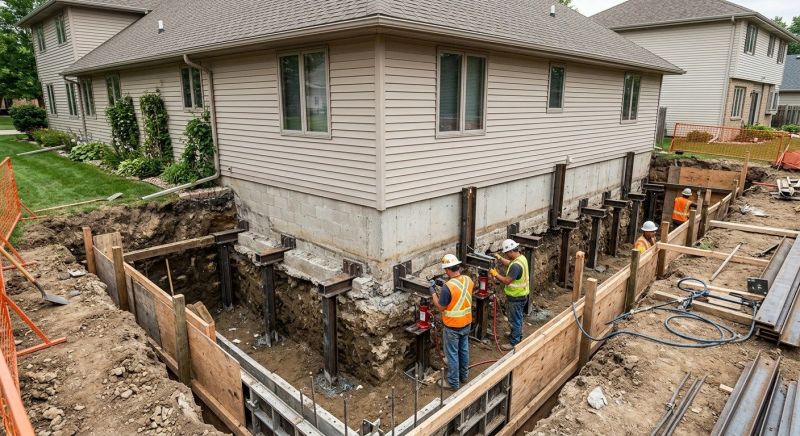
Signs You Need Underpinning
Cracks in walls, uneven floors, or sticking doors may indicate foundation issues that require professional underpinning.
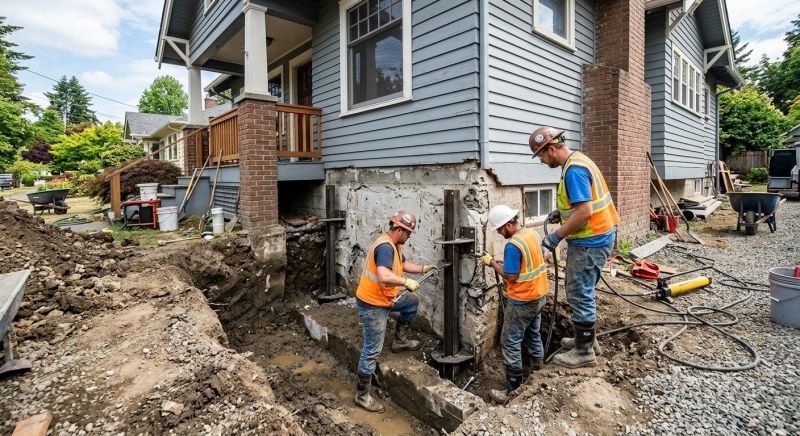
Benefits Of Underpinning
Proper underpinning can improve safety, prevent further damage, and increase the value of properties in greenville, sc.
Foundation Underpinning in Greenville, SC

Foundation underpinning services involve strengthening and stabilizing the existing foundation of a property to address issues such as settling, shifting, or cracking. This process is often used in projects where the foundation has become compromised due to soil movement, moisture changes, or aging. Property owners typically request underpinning when they notice signs of foundation movement, including uneven floors, cracked walls, or doors and windows that no longer close properly. These services can be applied to both residential and commercial structures, ensuring the stability and safety of the building’s base.
Before requesting underpinning services, property owners usually want to understand the scope of work involved, the types of underpinning methods suitable for their property, and the potential impact on daily living during the project. It is also common to seek clarity on the causes of foundation issues and the long-term benefits of stabilization. Proper assessment and planning are essential to determine the most effective approach for improving foundation integrity and preventing future problems.
Many property owners in Greenville, SC look into Foundation Underpinning for repairs, replacements, upgrades, and appearance-related improvements.
Common Foundation Underpinning Jobs
Foundation Underpinning - stabilizes and strengthens existing foundations to prevent further settling or damage.
Pier and Beam Support - lifts and reinforces homes with pier and beam systems to improve stability.
Mudjacking and Slab Lifting - raises sunken concrete slabs to restore level surfaces around the property.
Foundation Wall Repair - addresses bowing or cracked foundation walls to prevent structural issues.
Soil Stabilization - improves soil conditions beneath the foundation to reduce shifting and settling.
Crack Repair - seals and reinforces foundation cracks to prevent water intrusion and further deterioration.
Foundation Underpinning Questions
What is foundation underpinning? Foundation underpinning involves strengthening or stabilizing a building's foundation to prevent settling or shifting issues.
When is underpinning needed? Underpinning is typically required when there are signs of foundation movement, such as cracks in walls or uneven floors.
What methods are used for underpinning? Common methods include piers, piles, or other supports that transfer the load to stable soil beneath the foundation.
Is underpinning suitable for all types of foundations? Underpinning can be adapted for various foundation types, including slab, pier and beam, and basement foundations.
Request Foundation Underpinning in Greenville, SC
Use the quote form on this page to share the basics of your project and request more information for the type of work you need.